The Complete Bed Bug Heat Treatment Plan offers a structured approach to eradicate these pests effectively. It begins with identifying signs of infestation and understanding bed bug behavior.
Preparation is essential, as it sets the stage for the heat treatment process. Following treatment, maintaining a bed bug-free environment is vital.
However, knowing when to seek professional assistance can make a significant difference in the outcome. What steps should one take to guarantee lasting success?
Bed bugs are elusive pests that can cause significant distress in households. Recognizing their presence is vital for effective management. Common signs include small, reddish-brown insects resembling apple seeds, often hiding in mattress seams, bed frames, and cracks in walls.
Residents may also notice dark spots on bedding or furniture, which are fecal stains left by the bugs. Additionally, bites on exposed skin can appear as small, red welts, often in clusters or lines. These bites may cause itching and discomfort, prompting further investigation. An unpleasant, musty odor can also indicate an infestation, as bed bugs release pheromones that create a distinctive smell.
Early identification is essential to prevent the spread of these pests and minimize their impact on daily life. Being vigilant about these signs can help homeowners address an infestation before it escalates, ensuring a more effective treatment plan.
Understanding bed bug behavior is essential to effective management and prevention. Bed bugs are primarily nocturnal, emerging at night to feed on their hosts, often causing bites that may lead to allergic reactions. They are attracted to carbon dioxide and body heat, which guide them to their food sources. During the day, they hide in cracks, crevices, and furniture, making detection challenging.
Bed bugs reproduce quickly, with females laying up to five eggs daily, leading to rapid infestations. Their lifecycle involves several stages, from egg to adult, with each stage requiring a blood meal to mature. Additionally, bed bugs can survive for months without feeding, allowing them to endure periods of low host availability.
Understanding these behavior patterns is vital for identifying infestations early and implementing effective control measures. Knowledge of their habits enables homeowners and pest control professionals to act decisively against these resilient pests.
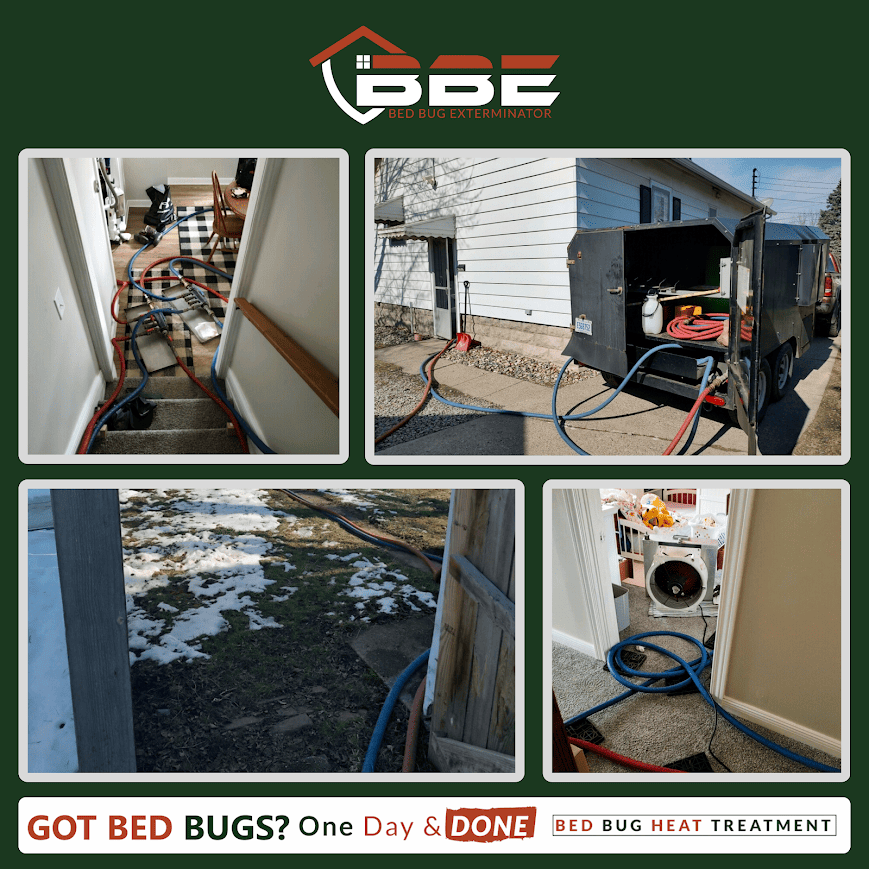
Preparing a home for heat treatment is essential for ensuring the procedure's effectiveness against bed bugs. Homeowners should begin by decluttering the space, removing unnecessary items that may obstruct treatment areas. All clothing, bedding, and linens should be laundered in hot water and dried on high heat, as this can eliminate any hidden bed bugs and their eggs.
Next, furniture should be moved away from walls to allow for thorough heat penetration. Appliances and electronic devices need to be unplugged and moved, as they can be sensitive to high temperatures. Additionally, pets must be relocated to a safe environment away from the treatment area.
Finally, homeowners should inform the pest control team of any specific concerns or areas of heavy infestation. By taking these preparatory steps, individuals can enhance the effectiveness of the heat treatment, ensuring a successful extermination of bed bugs.
Heat treatment stands as one of the most effective methods for eradicating bed bugs from infested homes. This process involves raising the temperature of infested areas to a lethal level, typically between 118°F and 122°F, for a sustained period. When executed properly, heat penetrates furniture, bedding, and walls, targeting bed bugs in all life stages, including eggs.
Professional exterminators often use specialized equipment, such as heaters and temperature sensors, to guarantee uniform heat distribution. It is essential that all items within the treatment area are prepared in advance to maximize effectiveness. This includes removing clutter and vacuuming thoroughly. Additionally, heat treatment is chemical-free, making it an environmentally friendly option.
Post-treatment, affected areas should remain sealed until the treatment is complete to prevent re-infestation. Overall, heat treatment presents a thorough solution for those battling bed bug infestations effectively.
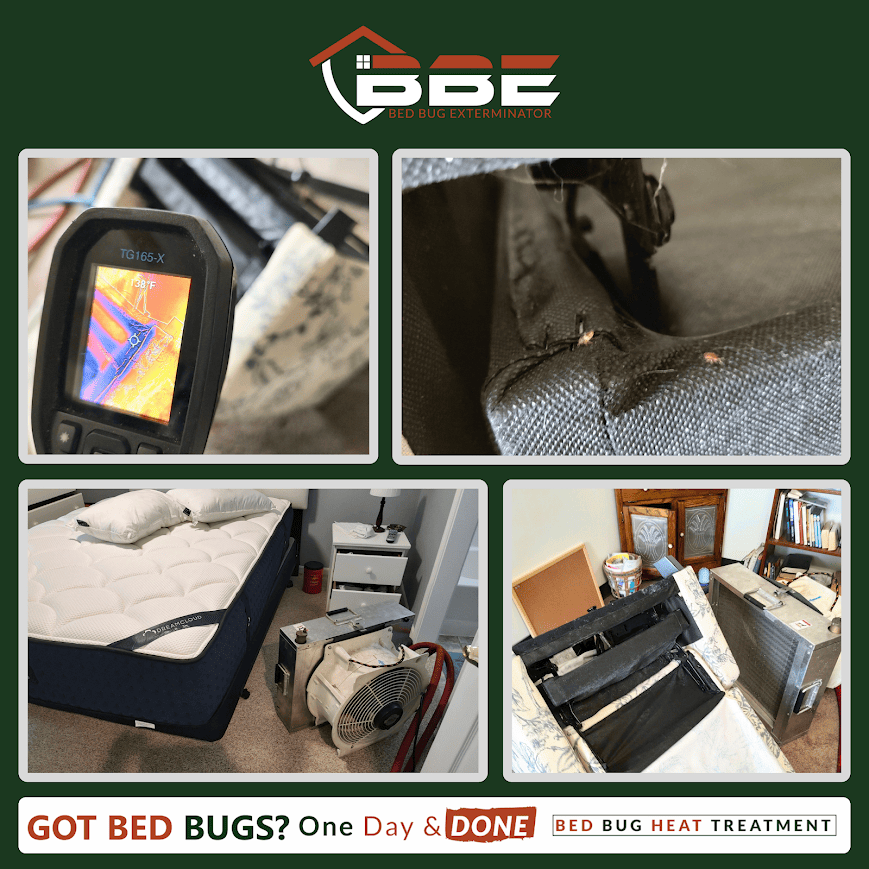
Regular inspections and monitoring are essential components in maintaining a bed bug-free home. After treatment, homeowners should conduct thorough checks at regular intervals to catch any potential infestations early. This includes examining bedding, upholstered furniture, and crevices where bed bugs may hide.
Using a flashlight can help illuminate dark areas, making detection easier. Additionally, homeowners should consider employing monitoring devices, such as bed bug interceptors, placed under bed legs to trap wandering pests. Documenting findings during inspections can assist in identifying patterns or recurrence, facilitating timely action if needed.
By remaining vigilant and proactive, individuals can greatly reduce the chances of a resurgence, ensuring a continued bed bug-free environment. Regular monitoring is a key strategy in long-term pest management.
Maintaining a bed bug-free home requires a proactive approach and the implementation of effective preventive measures. Homeowners should seal any cracks and crevices in walls, floors, and furniture to eliminate potential hiding spots for bed bugs.
Regularly inspecting secondhand items before bringing them indoors is vital. Additionally, using bed bug-proof mattress encasements can protect against infestations. Limiting clutter in living spaces minimizes hiding spots, making it easier to spot any signs of bed bugs.
Educating all household members about bed bug identification and prevention tactics is essential. Finally, maintaining a consistent cleaning routine, including vacuuming and laundering bedding, contributes greatly to keeping these pests at bay and ensuring a comfortable living environment.

Bed bugs cannot survive extreme cold temperatures below 0�F (-18�C) for extended periods. Exposure to such conditions can effectively kill them, including their eggs, making cold treatment a viable extermination method.
Bed bugs can survive without a host for approximately two to six months, depending on environmental conditions. Factors such as temperature and humidity greatly influence their survival duration during this period of starvation.
A heat treatment typically takes between six to eight hours to effectively eliminate bed bugs. Factors such as the infested area's size and severity can influence the duration, requiring careful monitoring throughout the process.